The Ultimate Bathroom Basin Buyer’s Guide: Types, Sizes, and Styling
TL;DR • Bathroom basins come in many mounting styles, sizes, and materials, each suited to different spaces and budgets.
• Choosing the right basin means matching dimensions, plumbing, and tap-hole configuration to your existing setup.
• This guide covers types, sizing rules, materials, styling, and UK price expectations in one place.
Choosing a bathroom basin sounds straightforward until you realise the options span wall-hung ceramics, freestanding vessel bowls, compact cloakroom basins, and full pedestal designs, each with different plumbing, sizing, and styling implications. Get the decision wrong and you face costly basin installation mismatches or a basin that overwhelms the space. This guide helps you compare mounting styles, dimensions, materials, and price ranges so you can buy with confidence.
What Are the Main Types of Bathroom Basin?
Bathroom basins divide broadly by how they mount and where they sit in the room. Each mounting style carries its own plumbing requirements, space footprint, and visual weight, so understanding the taxonomy first saves costly mistakes later.
Countertop and Wall-Hung Basins
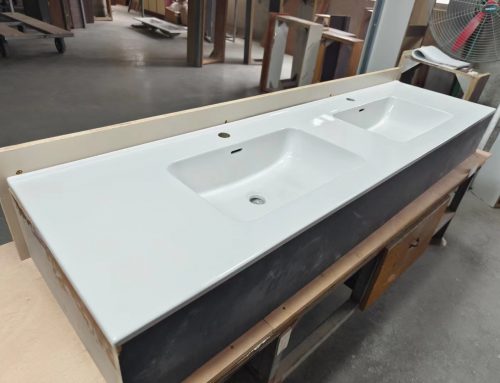
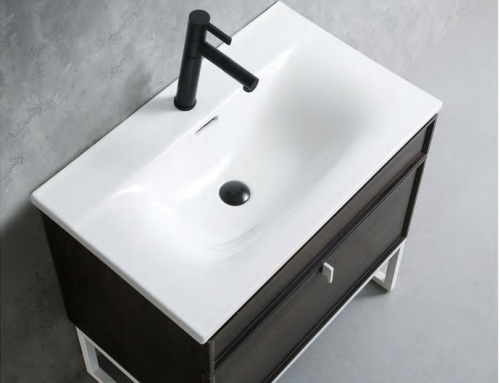
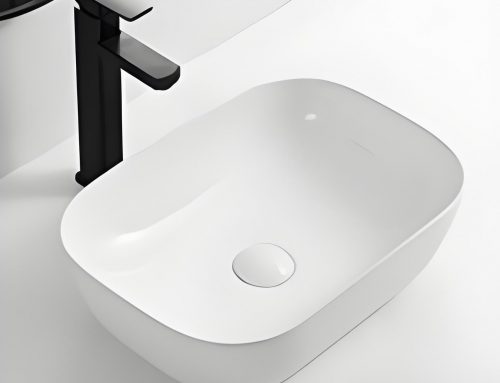
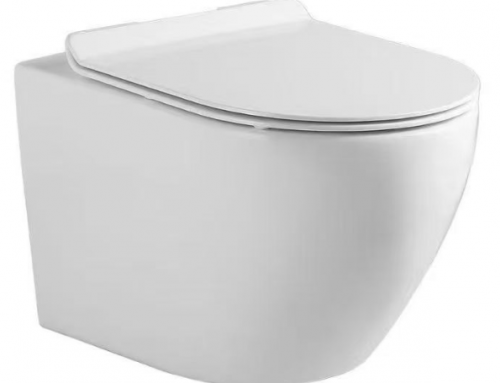
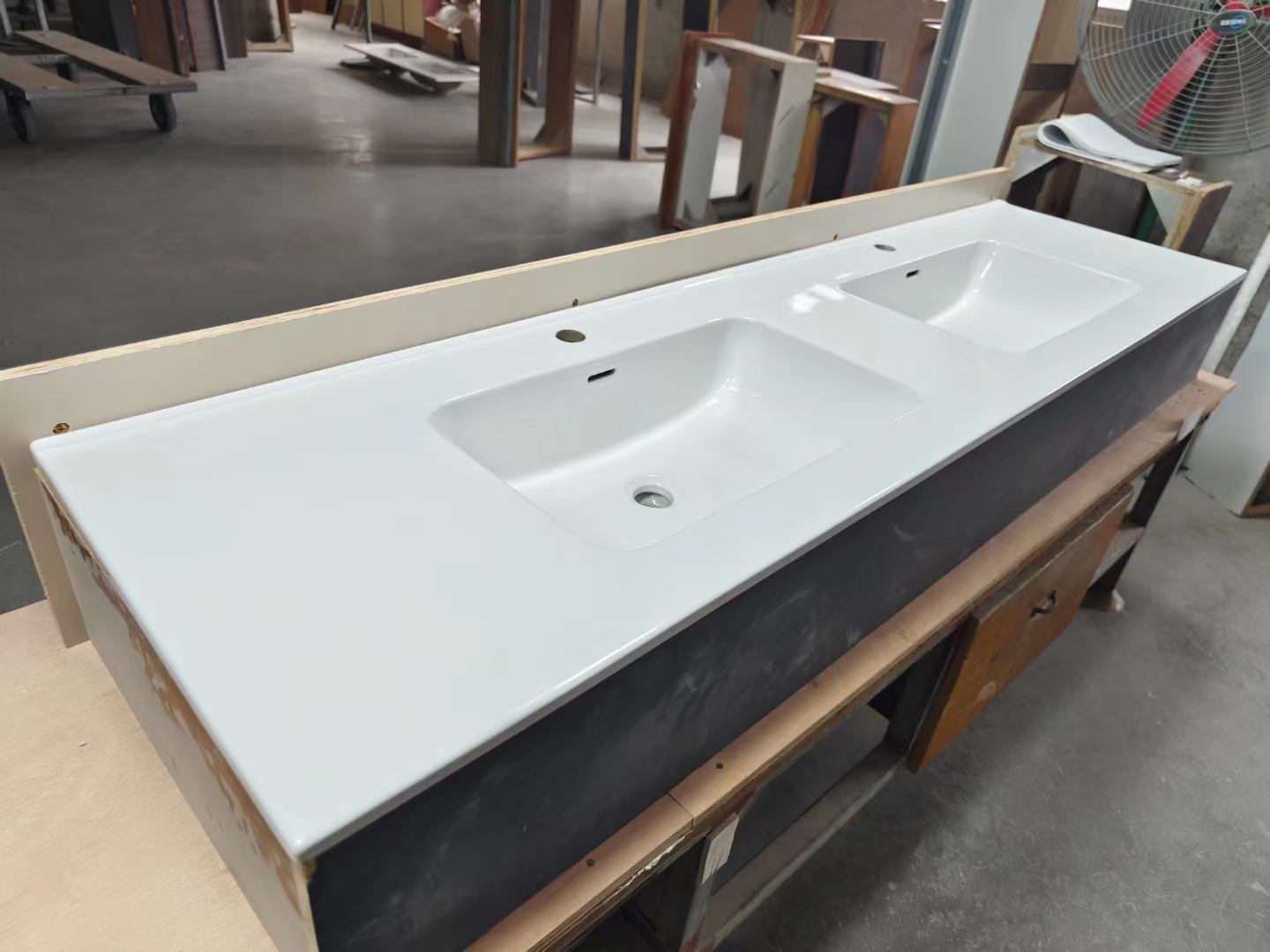
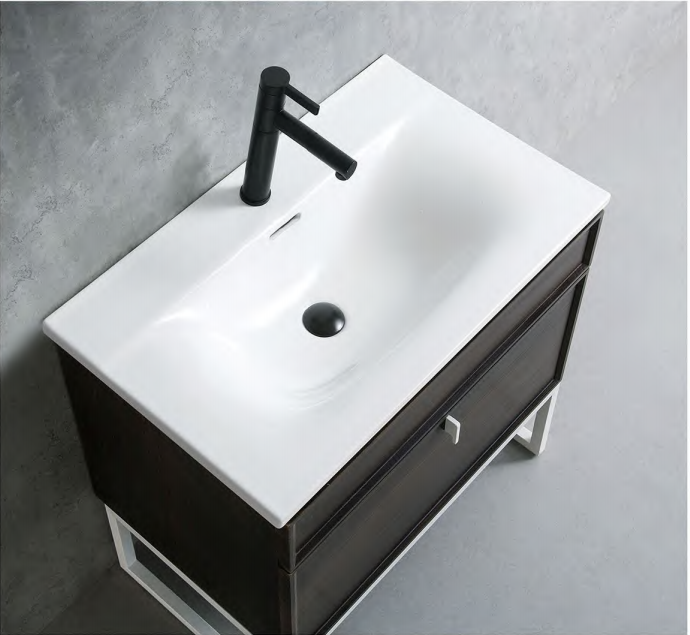
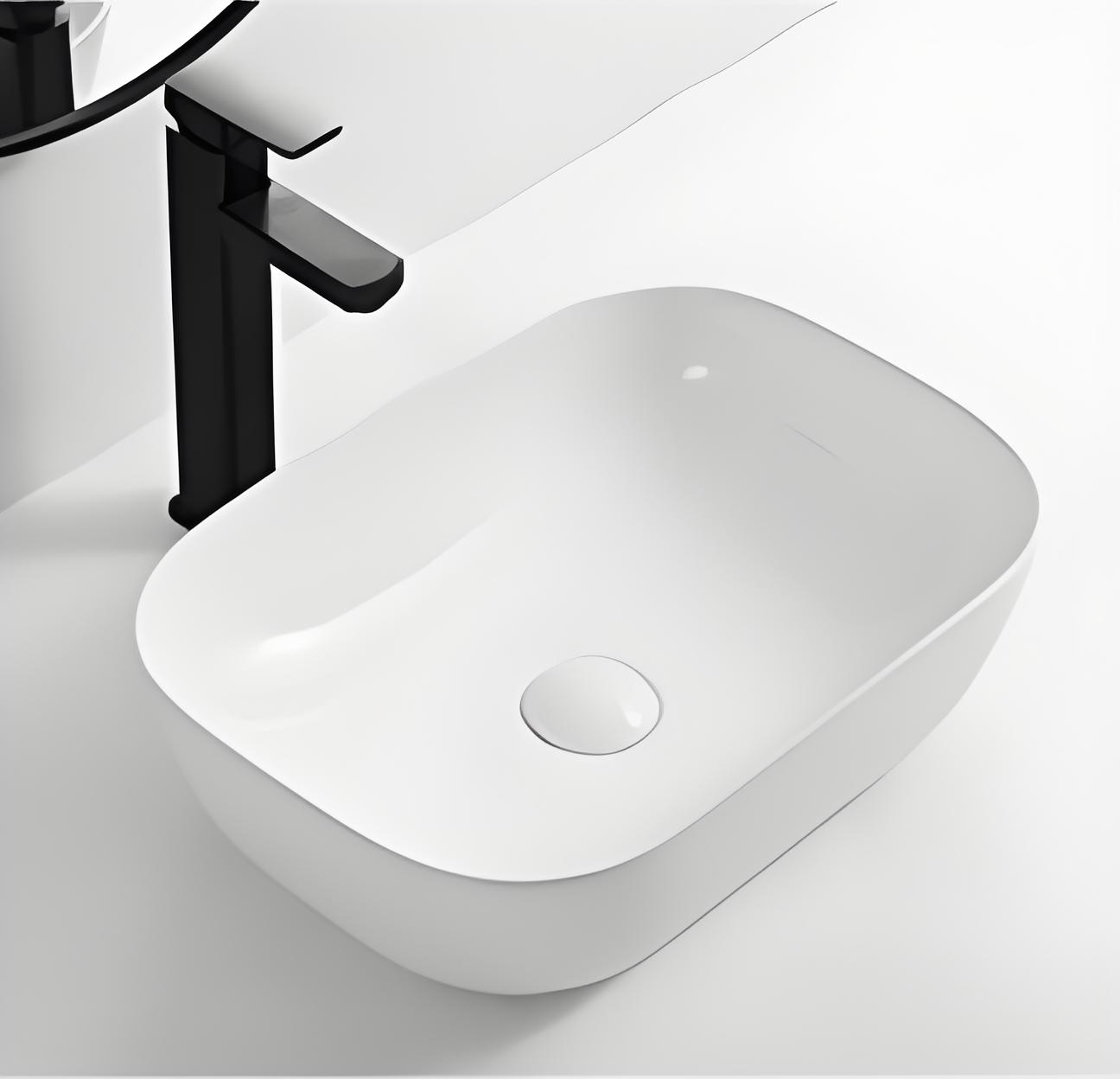
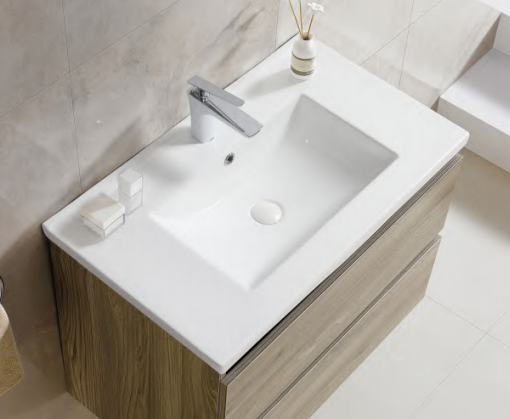
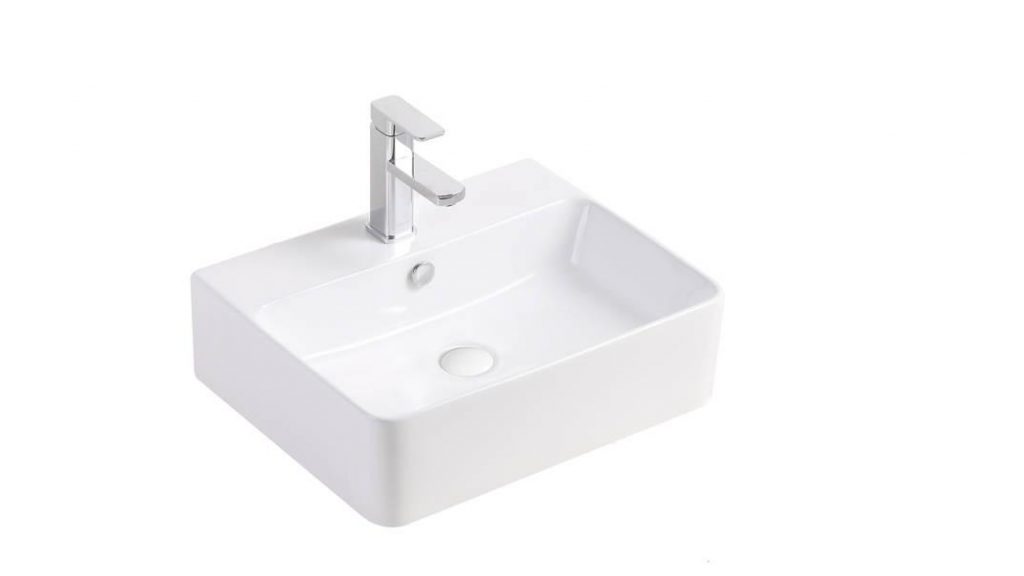
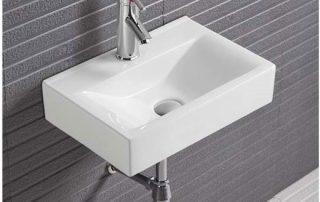
Countertop basins sit on top of a vanity unit, requiring adequate furniture depth beneath. Undercounter and inset options recess into the worktop for a sleeker profile. Wall hung basins project directly from the wall, keeping the floor clear for easier cleaning and making compact spaces feel larger.
Pedestal, Semi-Pedestal, and Semi-Recessed Options
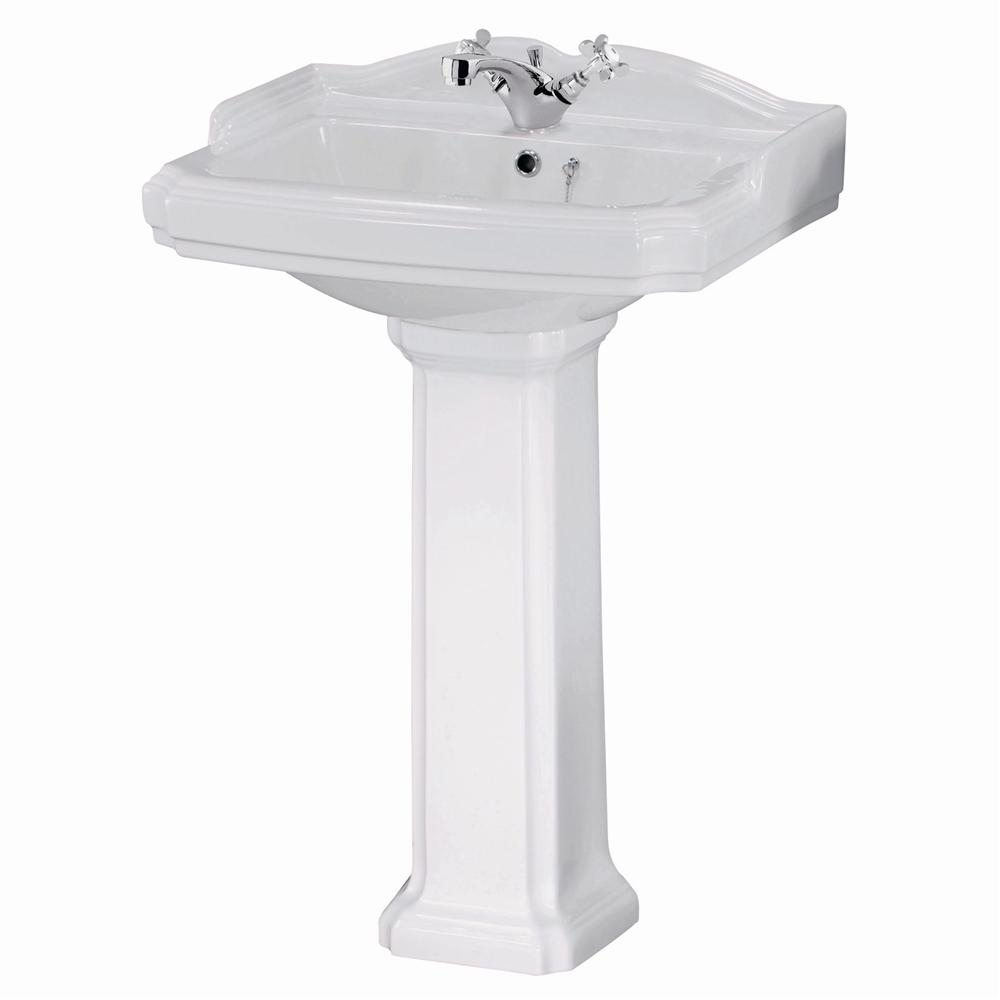
A full pedestal basin conceals pipework completely but limits cleaning access underneath. A semi pedestal hides less pipework yet feels lighter visually. Semi-recessed basins project partially over a narrow vanity unit, combining storage with a countertop-style finish.
How Do I Choose the Right Bathroom Basin Size for My Space?
Projection depth from the wall matters as much as basin width, particularly in narrow bathrooms where a basin that extends too far can obstruct doorways or create an awkward circulation path. For cloakrooms and compact layouts, shallow-projection designs and corner-placement options open up possibilities that standard sizing would rule out.
What Type of Wall Will Your Basin Be Secured To?
Wall-hung basins require a concealed support frame behind plasterboard. Solid brick or block walls accept standard fixings, but stud walls need a dedicated frame or reinforced noggins to carry the basin’s weight safely.
Allowing Enough Clearance Around the Basin
Beyond width, leave adequate side clearance and consider projection depth carefully. Corner-mounted small basin designs exploit otherwise wasted space, while compact vanity pairings keep storage accessible without blocking movement through the room.
Matching Basin Size to Bathroom Layout and Usage
For cloakrooms, prioritise a compact corner basin or a narrow rectangular design with shallow projection. Larger family bathrooms accommodate wider vanity units comfortably. Match basin dimensions to how many people use the space daily, and leave adequate side clearance to avoid restricting movement through the room.
Which Bathroom Basin Material and Finish Should I Choose?
Porcelain and vitreous china dominate for durability and stain resistance, though composite resin basin options and natural stone alternatives are gaining popularity. Suppliers such as Asrceramic stock a broad range of both glazed and matte finishes across different basin forms. Round and oval bowls clean faster than square-cornered designs. Gloss white glazes wipe down easily; matte finishes show water spots more readily. Thicker walls signal better long-term quality.
How Do I Match a Bathroom Basin to Taps, Wastes, and Plumbing?
Compatibility with your existing plumbing, tap configuration, and basin waste fittings determines whether installation runs smoothly or becomes an expensive correction.
Choosing the Right Tap Holes for Your Bathroom Basin
Some basins ship pre-drilled for a single tap-hole; others arrive undrilled, giving flexibility to choose a mixer or separate basin taps. Always check whether the overflow is slotted or unslotted, as this determines which waste fitting you need.
Making Sure the Waste and Overflow Are Compatible
Check whether your basin includes an overflow port before buying a basin waste fitting. Slotted wastes suit basins with overflow channels; unslotted wastes fit those without. Confirm the waste outlet diameter matches your existing pipework, and verify bottle-trap clearance for proper water drainage before ordering.
Checking Plumbing Connections and Installation Requirements
Before purchasing, confirm your waste outlet position, bottle-trap clearance, and existing pipework centres. A basin with incompatible dimensions forces costly replumbing. Verify the new basin’s installation footprint matches current connections before ordering.
Bathroom Basin Price Ranges and What Affects Cost
Basin cost rises with material grade, designer branding, integrated overflow complexity, and unusual shapes. Replacing an existing basin typically adds installer labour and potential pipework adjustments on top of the basin price itself.
How to Style Your Bathroom Basin with Accessories and Furniture
Choosing the right basin is only the starting point. A freestanding basin or wall-hung porcelain design can look underwhelming without considered basin accessories and furniture around it, just as a compact cloakroom vanity gains impact through cohesive finishing details.
Choosing Accessories That Complement Your Bathroom Basin
Match chrome tap finishes to towel rings and soap dispensers for a cohesive look. A fluted basin pairs naturally with tactile accessories, while gloss ceramic suits cleaner, minimal hardware. Consistent mounting style guides every accessory choice that follows.
Selecting Furniture That Supports Style and Storage
Pair a countertop basin with a vanity unit that offers enclosed storage beneath. Wall hung basins suit floating furniture, keeping floors clear. Match furniture depth to your basin’s dimensions to avoid overhang.
Creating a Coordinated Look with Mirrors, Lighting, and Finishes
Align your mirror width roughly with the basin below it, and choose lighting that shares the same metal finish as your taps. Consistent finishes across gloss or matte surfaces unify the entire vanity zone visually.
🤔 Frequently Asked Questions (FAQ)
What is the difference between ceramic and porcelain wash basins?
How can I tell if a ceramic wash basin is of good quality?
- Feel the glaze: A high-quality basin should have a very smooth, even glaze without any rough patches or tiny pits.
- Check the weight: Generally, a heavier basin indicates a denser ceramic body and better firing quality.
- Inspect the details: Look at the edges of the tap holes and the overflow. Smooth, precise edges are a good indicator of superior craftsmanship.
Are ceramic wash basins easy to clean?
What should I look out for when choosing a wash basin?
- Size: Always measure your vanity unit or installation space accurately to ensure a perfect fit.
- Installation type: Decide between a countertop vessel basin, an inset basin, or a wall-hung basin based on your vanity design and plumbing layout.
- Tap holes: Check whether the basin has one, three, or no pre-drilled holes so you can purchase the correct mixer tap.
Can I pour boiling water directly into a ceramic basin?
My bathroom is quite small. What wash basins do you recommend?
- Wall-hung basins: These free up floor space, creating the illusion of a larger room.
- Corner basins: A clever way to utilize awkward, often-wasted corner spaces.
- Compact countertop basins: Small in footprint but big on modern design, perfect for a small cloakroom vanity.
I want to fully understand the different types of wash basins and learn how to choose the best one for my specific needs. Is there a detailed guide available?
Is it a sink or a basin?
Both terms describe the same fixture. “Basin” is standard UK and European sanitaryware terminology; “sink” is more common in North American usage.
Which basin suits most bathrooms?
Match mounting style to your space and plumbing. Ceramic durability suits most budgets reliably.