Everything You Need to Know About Vanity Basins: Costs, Types, and FAQ
TL;DR• A vanity basin combines a wash basin with a basin cabinet, available in floor standing, wall hung, and freestanding configurations. • Styles range from integrated and countertop to under-counter designs, suiting everything from compact cloakrooms to family bathrooms. • UK prices vary significantly by material, finish, and storage format, from entry-level ceramic units to premium bespoke options. • Taps, wastes, and fittings are typically sold separately, so always verify what’s included before ordering.
Choosing the right vanity basin can transform a bathroom from purely functional to genuinely organised and visually cohesive. With bathroom renovation projects rising across UK homes, the demand for units that combine a ceramic basin with practical storage has never been stronger. Yet the terminology alone (vanity unit, wash stand, basin with cabinet) causes real confusion at the buying stage. This guide covers types, sizing, installation, costs, and everything else you need to make a confident purchase decision.
What Is a Vanity Basin and What’s Included?
A vanity basin combines a wash basin with an integrated storage cabinet beneath it. This distinguishes it from a pedestal basin, which sits on a freestanding column with no storage, and a standard bathroom sink, which typically mounts alone. A wash stand is a furniture-style variant, often with open shelving rather than enclosed doors or drawers.
Most UK vanity basin sets include the ceramic or porcelain basin and the cabinet unit. Taps, waste fittings, and fixings are usually sold separately, so always confirm exactly what’s in the box before ordering.
What Types of Vanity Basin Are Available?
Vanity basins span a wide range of configurations, materials, and finishes, making it straightforward to find a unit that suits both the room’s dimensions and its aesthetic. Ceramic and porcelain remain the most widely specified materials for the basin itself, valued for their durability and easy maintenance. Solid surface and natural stone options also exist for buyers seeking a more distinctive look. Cabinet bodies typically use moisture-resistant engineered wood in high gloss, matt finish, or oak effect colour options. The sections below break down the key format distinctions worth understanding before you buy.
Freestanding Vanity Basins and Countertop Pairings
A freestanding vanity basin unit stands independently on the floor without requiring wall fixings or structural reinforcement, making installation noticeably more straightforward. This also means the freestanding unit can be repositioned during a bathroom refresh without major disruption. Many floor standing designs incorporate storage drawers or enclosed cabinet doors beneath the basin, keeping toiletries within easy reach. Pairing an oval or rectangular ceramic basin with a complementary countertop, whether a clean surface or a marble effect finish, ties the bathroom furniture together and gives the overall scheme a cohesive, considered look.
Countertop vs Under-Counter vs Integrated Vanity Basins
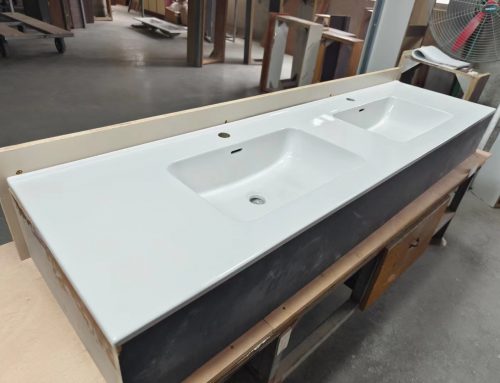
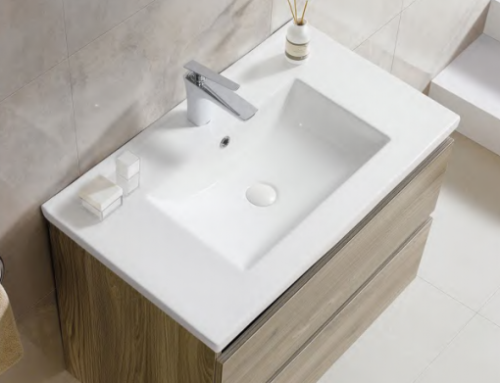
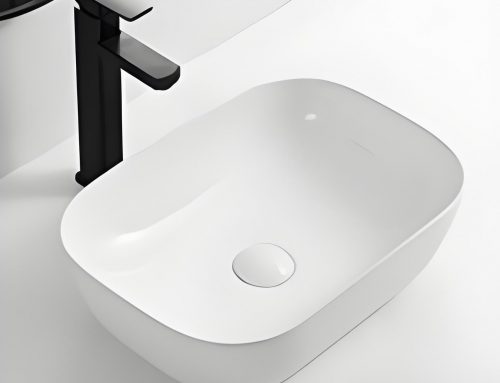
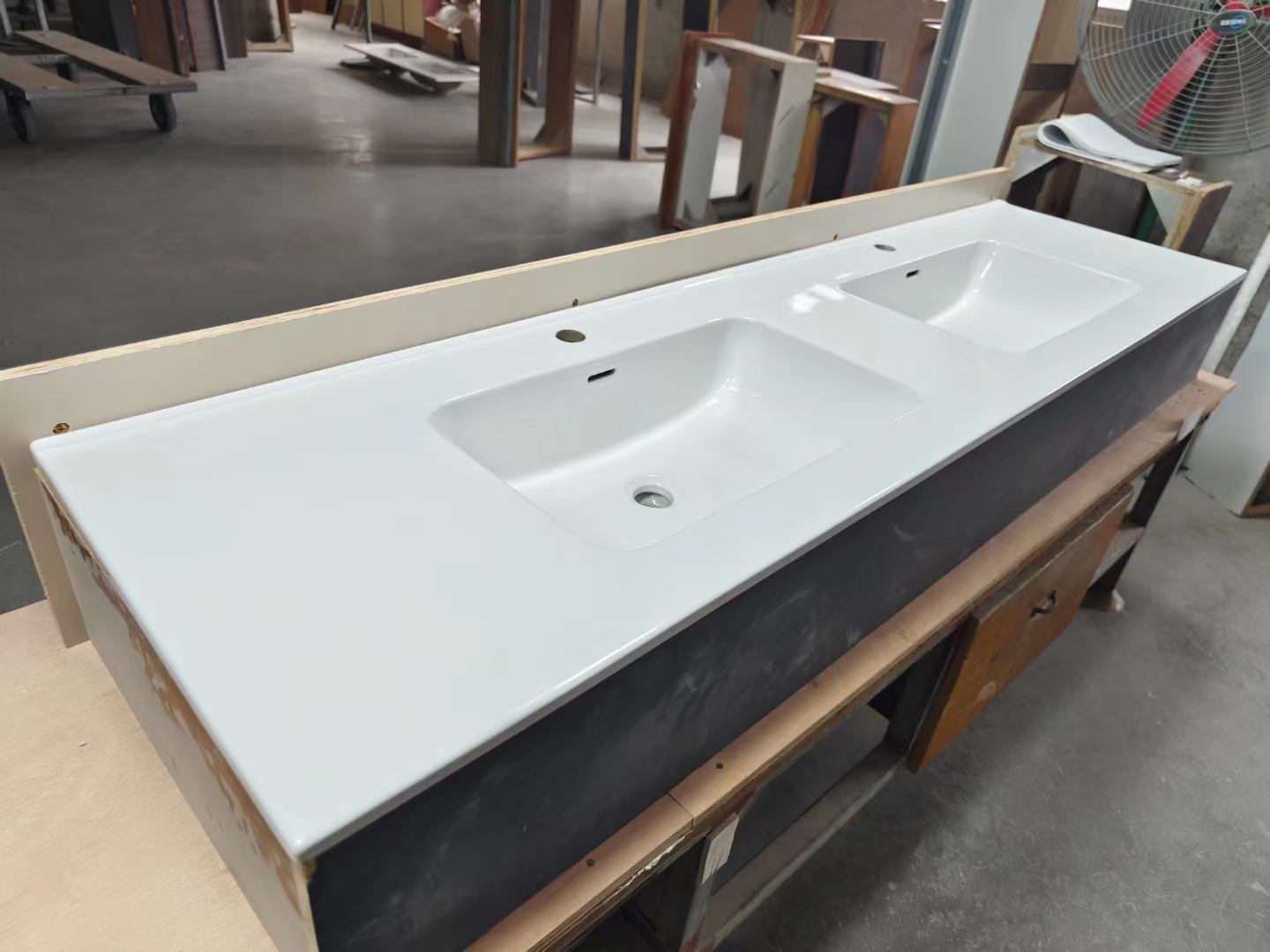
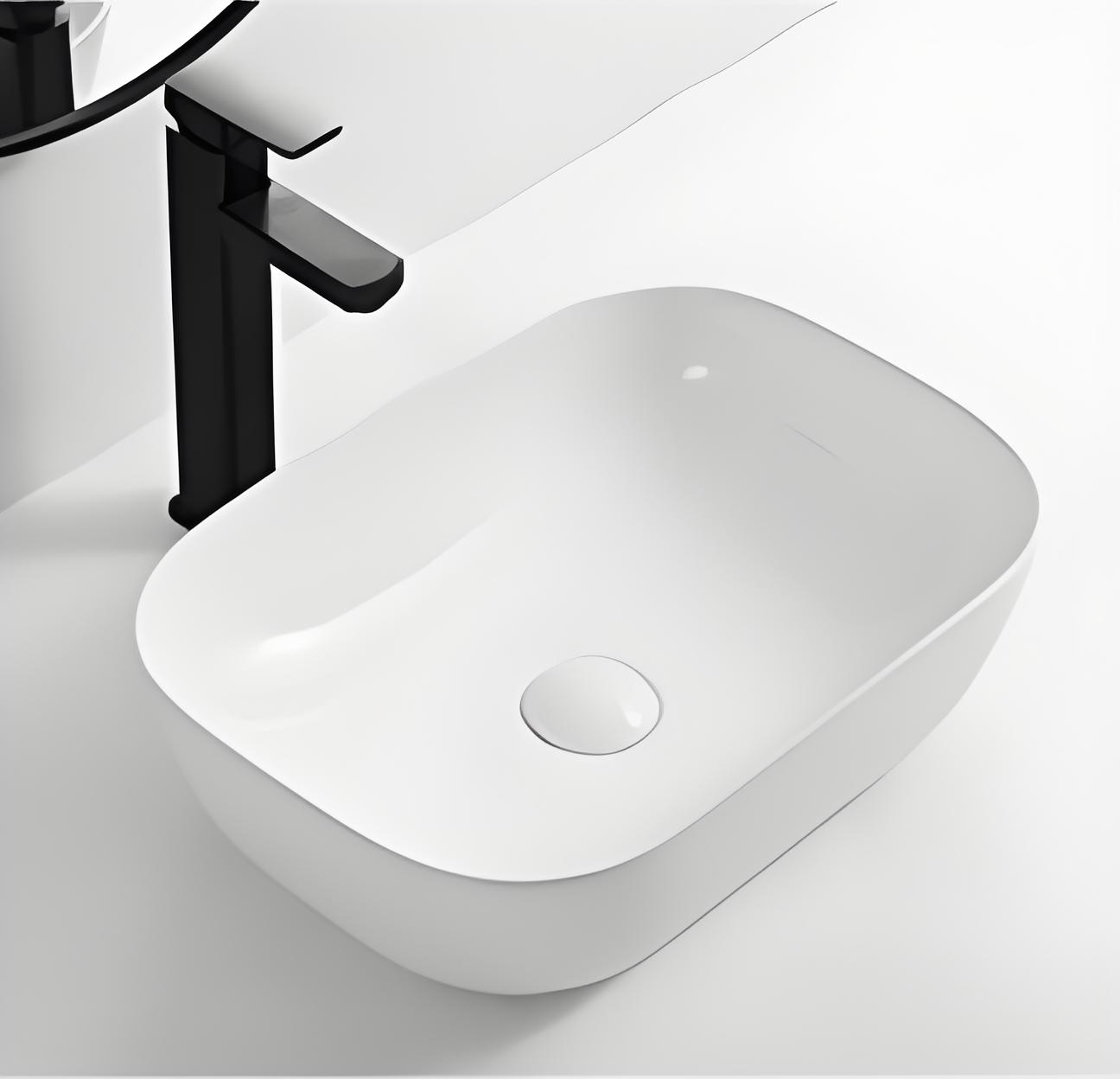
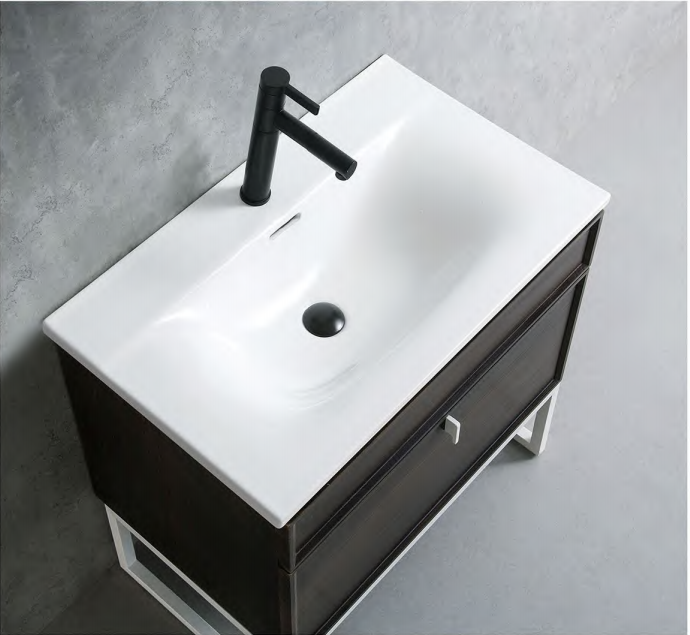
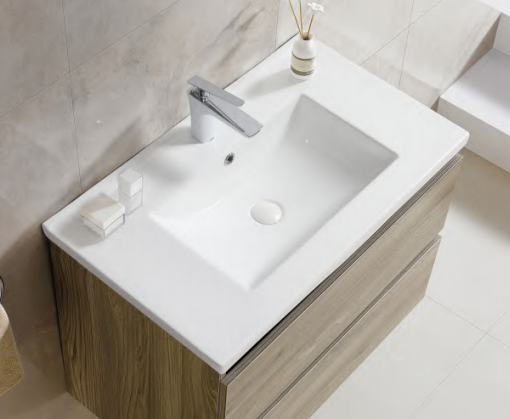
The basin format you choose affects both cleaning ease and how spacious the unit feels. A countertop basin sits on top of the cabinet surface, creating a striking visual but leaving a rim joint that collects water and soap residue. An undermount basin fixes beneath the worktop, eliminating that edge and making the surface far simpler to wipe down. A fully integrated basin, where the bowl is moulded directly into the cabinet top, removes joints entirely, maximising usable worktop space and giving compact bathrooms a cleaner, more proportional look. Asrceramic offers all three formats across a brand range of widths, which makes it easier to compare configurations side by side before committing.
Floor-Mounted vs Wall-Hung Vanity Basins: Which Should You Choose?
Floor standing units offer greater stability, suit heavier ceramic basins, and typically provide deeper storage drawers without requiring wall reinforcement. They suit rentals and older properties where wall construction is uncertain.
Wall hung units free up floor space, simplify cleaning underneath, and allow adjustable mounting height to suit different users. However, they demand solid masonry or a reinforced stud wall capable of bearing the load.
Factor | Floor Standing | Wall Hung |
|---|---|---|
Installation complexity | Lower | Higher |
Storage depth | Greater | More limited |
Floor cleaning | Harder | Easier |
Height adjustability | Fixed | Flexible |
How Do You Choose the Right Vanity Basin for Your Space?
Selecting the right vanity basin involves balancing several practical factors simultaneously: room dimensions, storage requirements, tap-hole configuration (zero, one, two, or three holes), and plumbing compatibility. A unit that looks ideal in a showroom can create real problems if the basin width clashes with door swing clearance or the tap holes don’t match your chosen chrome tap style. The subsections below work through each consideration in turn.
Sizing for Small Ensuites and Cloakrooms
In rooms under 3 m², basin depth and projection matter as much as width. A compact cloakroom vanity unit in the 400–500 mm width range suits most small spaces without sacrificing drawer storage, while slimline units with a shallow projection help preserve door swing clearance and usable floor area. Corner-mounted ceramic vanity basins are worth considering where two walls meet, reclaiming otherwise dead space. Always measure from the wall to the door arc before ordering, since even a modest reduction in depth can meaningfully open up a tight room.
Matching Taps, Wastes and Accessories
Tap projection matters more than most buyers realise. A spout that’s too short will direct water onto the basin rim rather than the drain, particularly on wider rectangular basins. Check the manufacturer’s recommended tap reach against your basin’s internal width before ordering.
Waste compatibility is equally critical. Basins with an overflow require a slotted waste, while those without need an unslotted version. Click-clack and flip-top wastes both work well for vanity basins; just confirm the waste diameter matches your basin’s outlet before purchasing fittings separately.
Checking Plumbing Compatibility Before You Buy
Before ordering, measure your existing waste-outlet position and confirm the basin unit’s waste connection aligns with it. Check that there’s sufficient clearance inside the cabinet for a bottle trap, since shallow units leave little room. For wall hung vanity configurations, note your hot and cold pipe centres and compare them against the tap-hole spacing on the basin. Finally, verify your water pressure suits the tap type you plan to pair with the unit, as certain tap designs require minimum pressure to function correctly.
How Do You Install a Vanity Basin Step by Step?
Installing a vanity basin correctly requires preparation before a single fitting is tightened. Gather your core tools first: a spirit level, adjustable spanner, PTFE tape, silicone sealant, drill, and appropriate wall plugs. The two subsections below walk through the full sequence, from securing the unit and connecting your water supply to finishing with a watertight seal and final flow test.
Fixing the Unit and Connecting Water Supply and Drainage
With the cabinet positioned, connect the flexible tap tails to the isolation valves beneath the unit, hand-tightening first, then securing with a spanner. Fit the waste trap to the basin outlet and run the trap arm to the drain stack, checking the fall angle allows free drainage. For wall hung installations, drill into masonry or locate studs carefully, using the fixings specified by the manufacturer. Never substitute lighter fixings, as a ceramic basin carries significant weight once filled.
Sealing, Finishing and Final Checks
Apply a neat, continuous silicone bead along every joint where the ceramic basin meets the countertop surface and where the unit contacts the wall. Smooth it with a damp finger for a clean, waterproof finish that prevents water ingress behind the cabinet.
Once the silicone has cured, run a full leak test: turn on both supplies and check every joint, the trap, and the waste fitting for drips. Tighten anything weeping before replacing access panels or soft-close drawer fronts.
How Much Does a Vanity Basin Cost in the UK?
UK pricing falls into three broad bands. Budget units typically sit below £150, offering basic ceramic basins with simple cabinet carcasses and limited storage. Mid-range options deliver soft-close drawers, improved finishes, and more durable hinges. Premium pieces exceed that threshold with bespoke dimensions, high gloss or matt lacquer finishes, and thicker ceramic. Double basin configurations command higher prices across all bands.
Spending more on the cabinet generally delivers better long-term value than upgrading the basin alone, since drawer quality and waterproof board construction determine daily durability. Budget separately for taps, waste fittings, and installation labour.
Frequently Asked Questions About Vanity Basins
Which vanity basin design offers the most practical storage for families?
Drawers suit everyday toiletries because they keep items visible and accessible. Cupboard doors work better for bulky cleaning products. Combination units with both soft-close drawers and hinged doors offer the most versatile bathroom furniture range for family use.
What is the difference between countertop, under-counter, and integrated basins?
A countertop basin sits on top of the cabinet; an undermount basin fixes beneath a worktop; an integrated basin is moulded as one continuous ceramic piece with the surface.
Does a vanity basin include the cabinet and fittings?
Usually the cabinet and ceramic basin are sold together, but taps, waste fittings, and mounting hardware are typically purchased separately.