How to Import Bathroom Products from China: A Comprehensive Guide for Wholesale Buyers
Introduction: Why Choose China for Bathroom Products?
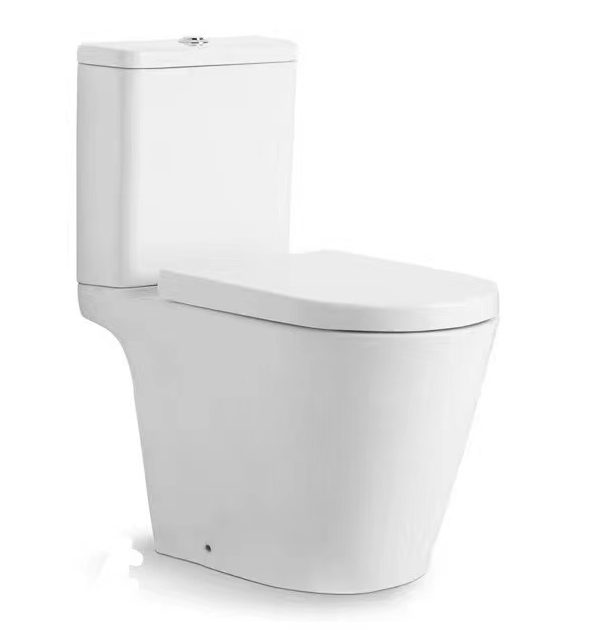
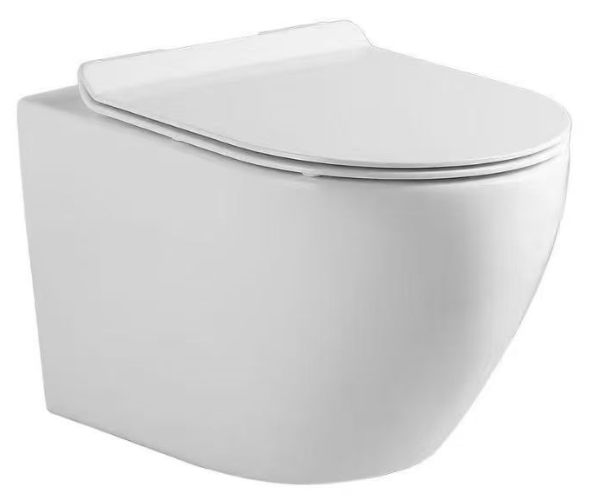
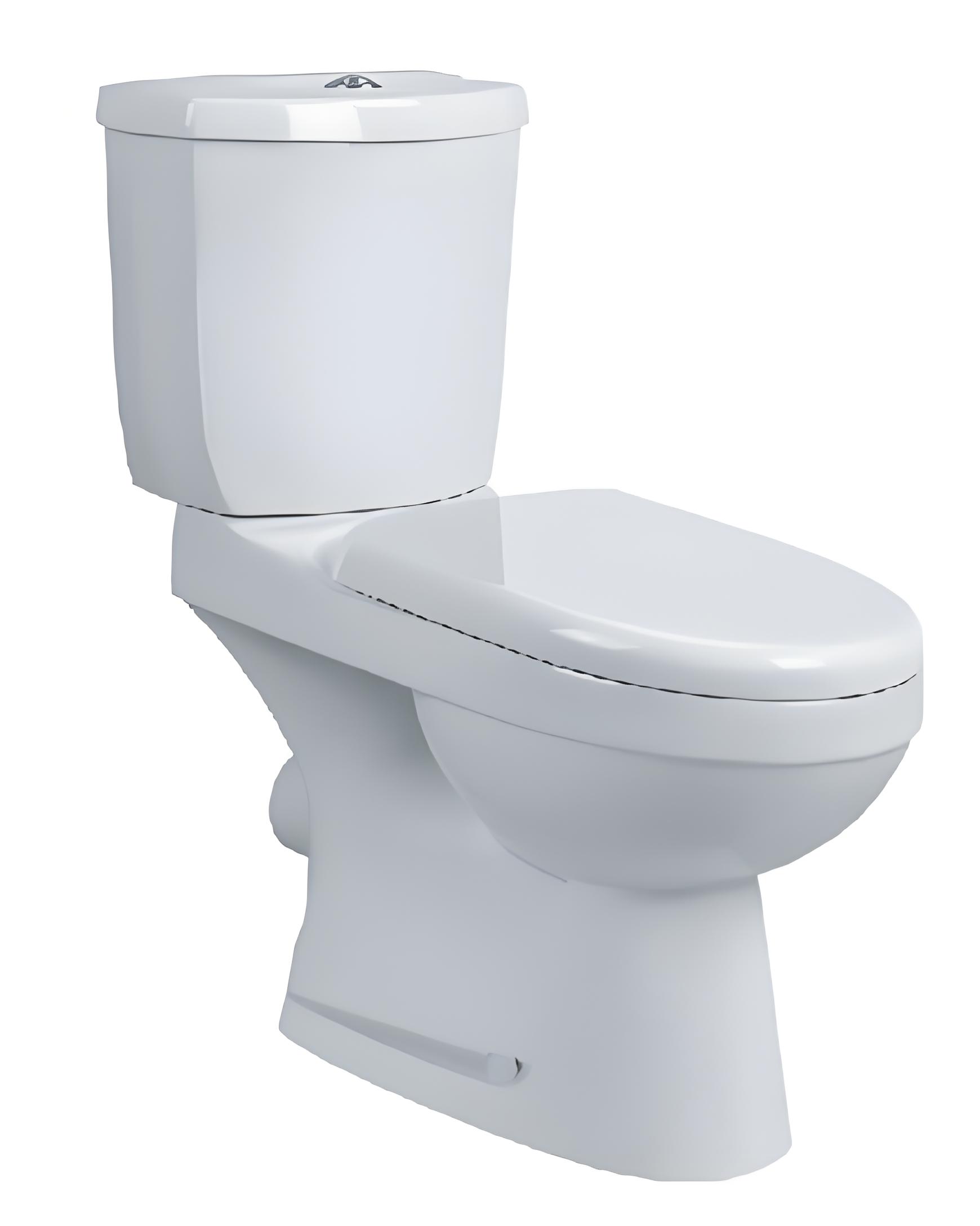
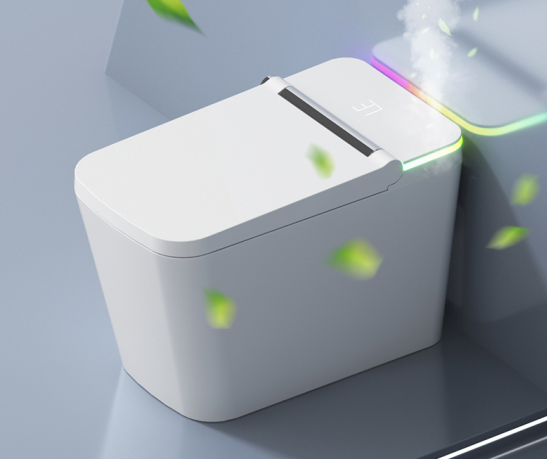
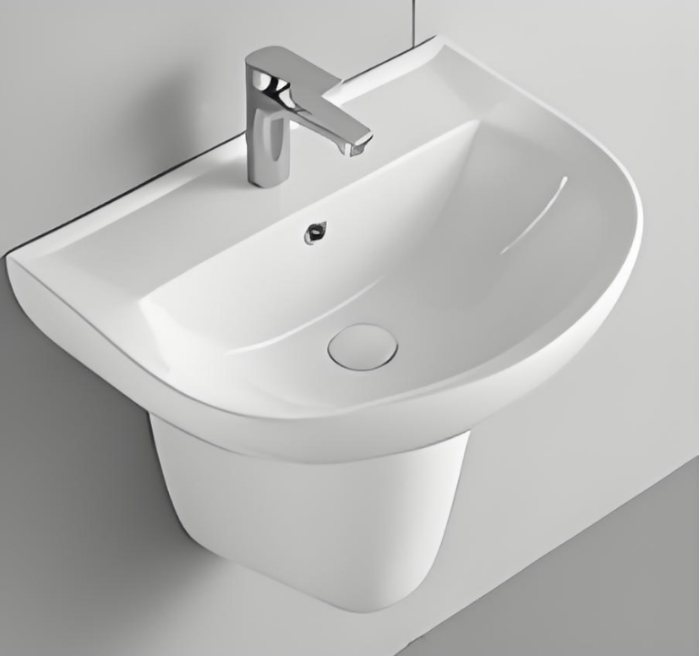
As a bathroom product importer, you’re always looking for high-quality goods at competitive prices. When it comes to sourcing ceramic toilets, sink basins, and other bathroom essentials, China stands out as one of the best options for wholesale buyers.
In this guide, we’ll walk you through everything you need to know about importing bathroom products from China. Whether you’re looking for tips on choosing the right supplier or navigating the complex logistics of international shipping, we’ve got you covered.
- How to Evaluate Supplier Credibility?
When sourcing bathroom products from China, your first step should be to evaluate potential suppliers. The right supplier can make a huge difference in product quality and delivery times, while the wrong one can lead to costly delays and poor-quality products.
Here’s what to consider when evaluating suppliers:
- Company History: How long have they been in business? A well-established supplier is less likely to have issues with production or shipping.
- Certifications: Make sure the supplier has the necessary certifications for exporting to your country, such as ISO 9001 or CE certification for EU markets.
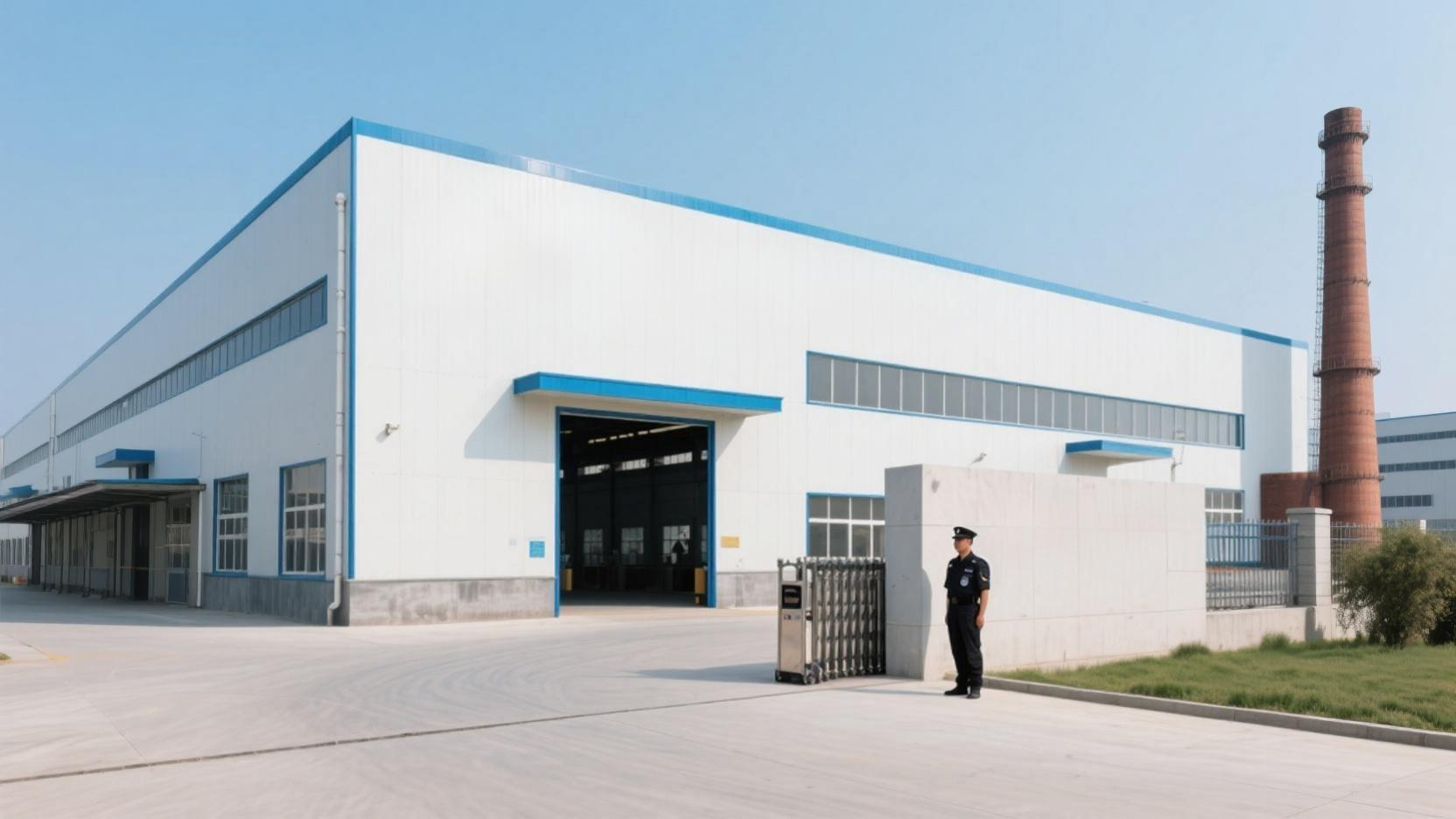
- Factory Visits: If possible, visit the factory to see their operations firsthand. If a visit isn’t feasible, request a video tour or rely on third-party audits.
- Product Samples: Always ask for samples before placing a large order. This will allow you to assess the product’s quality, design, and durability.
- Customer Reviews: Check customer reviews on websites like Alibaba or Google to get an idea of the supplier’s reputation.
- What Certifications Are Required for the EU Market?
If you’re importing bathroom products to Europe, it’s essential that your products meet EU standards. The two most important certifications for bathroom products are:
- CE Marking: This shows that the product complies with European health, safety, and environmental protection standards.
- RoHS: This certification ensures that the products don’t contain harmful substances like lead or mercury.
Ensure that your Chinese supplier can provide the necessary documentation to prove compliance with these standards. This will help you avoid customs issues or product recalls in the future.
- How to Check Product Quality Before Shipment?
Quality control is one of the biggest concerns for buyers importing bathroom products from China. The last thing you want is to receive a shipment of defective products that don’t meet your standards.
Here’s how you can ensure product quality:
- Third-Party Inspection: Hire a third-party inspection company to check the products before shipment. This is a standard practice in international trade and helps ensure that the goods meet your specifications.
- Quality Control at the Factory: Work with your supplier to set up quality control checks during the manufacturing process. Ask for quality assurance (QA) reports before shipment.
- Request Detailed Product Specifications: Before finalizing the deal, request product specifications and ensure that they align with your needs. This includes size, weight, material, finish, and design.
- What Incoterms Should I Choose for Safe Transport?
Incoterms, short for International Commercial Terms, define the responsibilities of both the seller and the buyer in an international transaction. Choosing the right Incoterm is crucial for understanding who pays for shipping, insurance, and customs duties.
For bathroom products, the most common Incoterms are:
- FOB (Free on Board): The seller is responsible for the goods until they are loaded onto the ship. After that, the buyer assumes responsibility.
- CIF (Cost, Insurance, and Freight): The seller is responsible for the shipping costs and insurance until the goods arrive at the destination port.
- DDP (Delivered Duty Paid): The seller is responsible for everything, including shipping, insurance, and customs duties.
We recommend DDP for first-time buyers as it simplifies the import process by having the supplier handle all the logistics. However, if you have a reliable freight forwarder, FOB or CIF may work for you.
- How to Estimate Total Import Cost Including Duties and VAT?
When importing bathroom products, it’s important to calculate the total import cost, including:
- Product Price: The cost of the bathroom items, which is typically quoted per unit.
- Shipping Costs: Depending on the Incoterm you choose, shipping costs can vary.
- Customs Duties: Duties depend on the HS code (Harmonized System Code) assigned to the product.
- VAT: In the EU, the Value-Added Tax (VAT) rate will apply to the import. Be sure to check the local VAT rate in your country.
To avoid any surprises, calculate these costs upfront. You can also work with a customs broker to get a more accurate estimate.
- How to Compare Different Manufacturers Effectively?
Not all bathroom product manufacturers are the same. To get the best value, you’ll need to compare multiple suppliers.
Here’s how to compare manufacturers:
- Production Capacity: Ensure the manufacturer can handle large orders and meet deadlines.
- Price: While you want to keep costs down, don’t compromise on quality. Compare prices, but also consider factors like product warranty and customer service.
- Lead Time: How quickly can the supplier deliver? The best suppliers have streamlined production processes to meet tight deadlines.
- Communication: Suppliers should be easy to communicate with and respond quickly to inquiries. This is essential for smooth transactions.
- What Packaging Specifications Are Recommended?
Packaging plays a crucial role in protecting your bathroom products during transit. Ask your supplier to use high-quality packaging materials to prevent damage.
Recommended packaging practices include:
- Bubble Wrap & Foam: To protect fragile items like sink basins and toilets.
- Wooden Crates: For larger items or those that need extra protection.
- Custom Packaging: Some suppliers offer custom packaging that can help with branding and marketing.
Be sure to discuss packaging with your supplier to ensure that your products arrive in good condition.
- How to Manage Container Loading Plans?
Efficient container loading is key to keeping your shipping costs down. If items aren’t loaded efficiently, you could end up paying for unused space in the container, or worse, have products damaged during transit.
To optimize container loading:
- Work with an Experienced Freight Forwarder: A good freight forwarder will help you plan the most efficient container load.
- Use Standardized Packaging: Standardized packaging sizes make it easier to fit items in the container without wasting space.
- Group Similar Products Together: Grouping products by type can help avoid damage and speed up the loading process.
- How to Handle Quality Control During Production?
One of the biggest concerns when importing bathroom products from China is ensuring that the products meet your quality standards. You can solve this by implementing quality control during production.
Consider these options:
- In-Process Inspections: These inspections ensure that the products meet specifications at different stages of production.
- Final Inspection: A final inspection before shipment ensures that the products are fully compliant with your order requirements.
A reliable third-party inspection company can carry out these inspections on your behalf.
- How to Handle Customs and Shipping Delays?
Shipping delays are common when importing goods from overseas. To minimize the risk of delays, you should:
- Work with a reliable freight forwarder: They can help you navigate customs and provide updates on the shipping status.
- Plan for extra time: Allow extra time in your delivery schedule to account for any unexpected delays.
- Track Your Shipments: Many logistics companies offer real-time tracking, so you’ll always know where your products are.
Conclusion: Make the Right Choices When Importing Bathroom Products
Importing bathroom products from China can be a rewarding experience if done correctly. By evaluating suppliers carefully, ensuring product quality, and understanding the logistics involved, you can avoid common pitfalls and enjoy cost-effective sourcing for your business.
When you partner with the right supplier and pay attention to all the details, importing bathroom products can be a smooth and profitable venture. If you need help navigating the import process, don’t hesitate to reach out to us. At Aisirui, we provide full supply chain management, from order placement to delivery, ensuring that your products meet the highest standards.