Smart Toilet Market in Europe: Buying Guide for Importers and Distributors
Introduction
Smart toilets are becoming more popular in Europe as consumers, hotels, apartments, and commercial projects pay more attention to comfort, hygiene, and modern bathroom design.
For importers, distributors, bathroom brands, and project suppliers, smart toilets can be a valuable product category. However, sourcing smart toilets requires more careful planning than standard ceramic toilets because the product combines ceramic sanitary ware, electronic functions, water systems, and after-sales support.
This guide explains what European B2B buyers should know before importing smart toilets.
1. Why Smart Toilets Are Growing in Europe
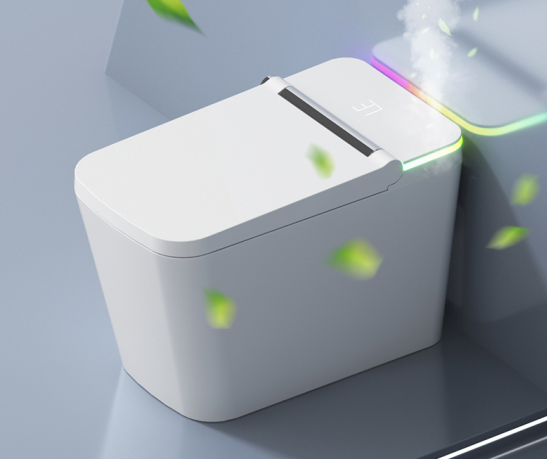
European bathroom markets are changing. Customers are looking for products that improve hygiene, comfort, and convenience. Smart toilets meet this demand by offering functions such as automatic flushing, heated seats, bidet washing, deodorization, sensor operation, and self-cleaning nozzles.
Smart toilets are especially suitable for:
– Modern homes
– Hotels
– Apartments
– Senior living projects
– Commercial bathrooms
– High-end bathroom showrooms
– Bathroom brands expanding premium product lines
For importers and distributors, smart toilets can help increase product value and differentiate the product range from standard toilets.
2. Main Smart Toilet Functions Buyers Should Understand
Before importing smart toilets, buyers should understand which functions are suitable for their market.
Common smart toilet functions include:
– Automatic flushing
– Heated seat
– Warm water washing
– Self-cleaning nozzle
– Soft-close seat cover
– Automatic lid opening and closing
– Foot sensor flushing
– Night light
– Deodorization
– UV sterilization
– Remote control
– Energy-saving mode
Not every market needs every function. For some buyers, a simple smart toilet with basic washing and heated seat functions may be enough. For premium markets, full-function smart toilets may be more attractive.
3. Voltage and Plug Requirements
Voltage and plug type are very important for European smart toilet buyers.
Most European countries use 220V-240V electricity, but plug types and electrical requirements may vary by country. Before placing an order, buyers should confirm:
– Voltage
– Frequency
– Plug type
– Power rating
– Cable length
– Electrical safety requirements
– Installation environment
A professional smart toilet supplier should provide clear technical specifications before production.
4. Certification and Market Requirements
European importers should check whether the product can meet relevant market requirements. Depending on the country and sales channel, buyers may need to consider CE, RoHS, water-related requirements, electrical safety, and local installation rules.
Certification requirements can vary between markets, so buyers should confirm with local import regulations or professional testing partners before ordering.
For B2B buyers, documentation is important. A supplier should provide product specifications, user manuals, packaging information, and available certificate support.
5. Ceramic Quality Still Matters
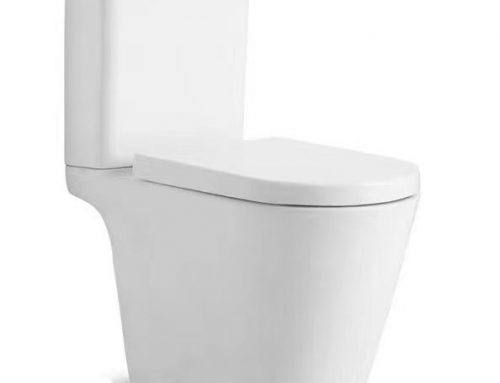
Although smart toilets have electronic functions, they are still sanitary ware products. Ceramic quality is still important.
Buyers should check:
– Glaze smoothness
– Bowl shape
– Surface defects
– Cracks or chips
– Trapway design
– Flushing performance
– Seat cover fitting
– Overall dimensions
A smart toilet with many functions will not succeed if the ceramic body has poor quality or unstable dimensions.
6. Water Pressure and Installation Conditions
Smart toilets may have specific water pressure requirements. If the local water pressure is too low or too high, the product may not perform well.
Buyers should confirm:
– Required water pressure range
– Water inlet position
– Drainage type
– S-trap or P-trap requirement
– Installation space
– Wall distance
– Electrical outlet position
For hotels and apartment projects, installation details should be confirmed before mass purchase.
7. After-Sales Support and Spare Parts
Smart toilets require more after-sales planning than standard toilets. Importers and distributors should discuss spare parts and troubleshooting before ordering.
Important spare parts may include:
– Remote control
– Seat cover
– Heating parts
– Nozzle components
– Sensors
– Control board
– Water valve
– Power cable
A good supplier should provide clear product instructions and support buyers with after-sales communication when needed.
8. Packaging and Shipping for Smart Toilets
Smart toilets are heavy, fragile, and contain electronic components. Packaging must protect both the ceramic body and the electronic system.
Buyers should check:
– Carton strength
– Foam protection
– Inner fixing
– Moisture protection
– Accessory packaging
– Labeling
– Pallet option
– Loading method
Good packaging helps reduce breakage and electronic damage during long-distance transportation.
9. How European Importers Can Choose the Right Smart Toilet Models
When choosing smart toilet models for Europe, buyers should consider:
– Target customer group
– Price level
– Required functions
– Bathroom space
– Installation habits
– Local design preference
– Certification needs
– After-sales ability
– Spare parts plan
For first orders, buyers may start with 2-3 models instead of too many different designs. This makes inventory, promotion, and after-sales management easier.
10. Smart Toilet Opportunities for Hotels and Projects
Hotels and modern apartment projects are important channels for smart toilets. These buyers often care about user comfort, hygiene, easy cleaning, and modern design.
For project buyers, product stability matters more than having too many functions. They need reliable models, clear specifications, and consistent supply.
Smart toilets can be positioned as premium bathroom upgrades for hotel rooms, apartments, and senior living spaces.
11. Common Mistakes Buyers Should Avoid
When importing smart toilets, buyers should avoid these mistakes:
– Choosing only by appearance
– Ignoring voltage and plug requirements
– Not checking water pressure needs
– Not confirming certification requirements
– Ordering too many models at once
– Forgetting spare parts planning
– Ignoring packaging details
– Not checking user manual quality
– Choosing a supplier without after-sales communication
Smart toilet sourcing should be treated as both a sanitary ware purchase and an electronic product purchase.
12. Why Choose ASR Ceramic as Your Smart Toilet Supplier
ASR Ceramic supplies smart toilets, ceramic toilets, bathroom sinks, and sanitary ware solutions for B2B buyers.
Our smart toilet products are suitable for homes, hotels, apartments, commercial bathrooms, and modern bathroom product lines. We support importers, distributors, contractors, and bathroom brands with product selection, technical information, quality inspection, packaging, and export support.
ASR Ceramic understands that smart toilet buyers need more than product photos. They need clear specifications, reliable product quality, careful packaging, and communication throughout the order process.
FAQ
Are smart toilets popular in Europe?
Smart toilets are gaining more attention in Europe, especially in modern homes, hotels, apartments, senior living projects, and premium bathroom showrooms.
What functions should importers choose for smart toilets?
Common useful functions include automatic flushing, heated seat, warm water washing, self-cleaning nozzle, deodorization, night light, and remote control. The best function mix depends on the target market and price level.
What should European buyers check before importing smart toilets?
Buyers should check voltage, plug type, certification requirements, water pressure, installation dimensions, ceramic quality, spare parts, packaging, and after-sales support.
Can ASR Ceramic supply smart toilets for hotels and projects?
Yes. ASR Ceramic can support B2B buyers with smart toilet solutions for hotels, apartments, commercial bathrooms, and private label product lines.
How can importers reduce risks when buying smart toilets?
Importers can reduce risk by starting with selected models, confirming technical specifications, checking packaging, planning spare parts, and working with a supplier who provides clear communication and export support.
Conclusion
Smart toilets offer strong opportunities for European importers, distributors, bathroom brands, and project suppliers. However, buyers need to evaluate product functions, voltage, certification, ceramic quality, water pressure, spare parts, packaging, and after-sales support before placing orders.
ASR Ceramic provides smart toilets and bathroom sanitary ware solutions for B2B buyers looking for reliable supply from China.
If you are developing a smart toilet product line for Europe, contact ASR Ceramic to discuss suitable models and sourcing support.
Contact: sunny@asrceramic.com
Website: https://asrceramic.co
primary keywords:
– European bathroom trends 2027
– EU water efficiency compliance
– smart toilet supplier Europe
– health monitoring toilet
longtail keywords:
– B2B smart toilet distribution Europe
– wholesale smart toilet with EU certification
– energy saving smart toilet supplier
– antibacterial toilet seat bulk order
– professional installation smart toilets