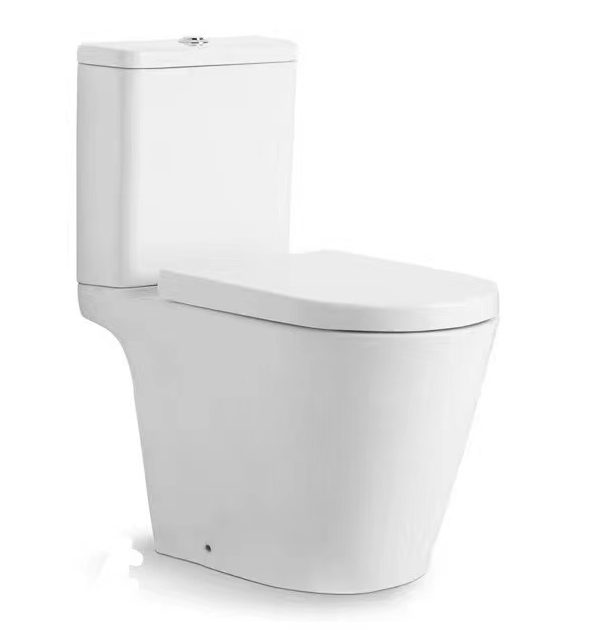
Mastering MOQ, Materials & Logistics: A Guide to Importing Bathroom Products from China
Navigating the complexities of importing bathroom products from China requires expertise in managing minimum order quantities (MOQs), understanding material quality, complying with international standards, and optimizing logistics. For B2B buyers, these factors directly impact profitability, product quality, and market compliance. Here’s a structured guide to mastering these critical aspects.
1. What Is the Best Way to Manage MOQ?
Minimum Order Quantity (MOQ) is a common requirement for manufacturers to maintain cost-effective production. However, managing MOQs strategically can help buyers optimize inventory and reduce risks.
Strategies to Manage MOQs Effectively:
- Negotiate Flexible MOQs: Leverage long-term partnership potential or larger overall order values to negotiate lower MOQs per product variant.
- Combine Products: Work with suppliers who allow mixed-container orders (e.g., toilets, basins, and accessories in one shipment) to meet total MOQs without overordering specific items.
- Plan Phased Orders: Place initial orders for best-selling products to test market response, then scale up based on demand.
2. How to Compare Different Ceramic Materials?
The quality of ceramic materials directly impacts product durability, aesthetics, and compliance. Understanding key material grades is essential for making informed decisions.
Ceramic Material Comparison:
- Vitreous China: High-density, fired at >1200°C, water absorption <0.5%. Ideal for toilets and basins. Meets ISO 13006 standards.
- Porcelain: Similar to vitreous china but often used for decorative items. Durable and stain-resistant.
- Fireclay: Thicker, traditional look, highly chip-resistant. Common in farmhouse sinks.
- Earthenware: Lower firing temperature, higher porosity (>5% water absorption). Less durable and not frost-resistant.
3. What Glaze Defects Should I Watch For?
Glaze defects compromise aesthetics, hygiene, and product longevity. Identifying these early prevents costly rejections post-shipment.
Common Glaze Defects:
- Crazing: Hairline cracks caused by glaze-body thermal expansion mismatch.
- Pinholes: Tiny holes due to impurities or uneven application.
- Orange Peel: Uneven, rough texture resembling orange skin.
- Color Variation: Inconsistent shading between batches.
- Dry Spots: Areas with insufficient glaze coverage.
4. What Is the Standard Water-Saving Requirement in the EU?
Compliance with EU water-saving regulations is mandatory for market access. Non-compliant products face rejection or penalties.
EU Water-Saving Standards:
- Toilets: Maximum flush volume of 6 liters per flush (dual-flush: full flush ≤6L, reduced flush ≤3.5L).
- Urinals: Maximum flush volume of 1 liter per flush.
- Certification: Products must comply with EN 997 and carry CE marking.
5. How to Evaluate Supplier Communication Efficiency?
Effective communication is critical for timely production, problem-solving, and building trust.
Evaluation Criteria:
- Responsiveness: Do they reply within 24 hours?
- Clarity: Is communication clear and free of ambiguity?
- Proactive Updates: Do they provide unsolicited production/shipment updates?
- Language Proficiency: Is their English sufficient for technical discussions?
- Problem-Solving: How do they handle issues or delays?
6. What Logistics Route Is Most Cost-Effective?
Choosing the right logistics route balances cost, speed, and reliability.
Cost-Effective Logistics Options:
- Sea Freight (FCL): Most economical for large volumes. Ideal for full-container orders.
- Sea Freight (LCL): Suitable for smaller orders. Higher cost per unit but avoids MOQ issues.
- Rail Freight: Faster than sea, cheaper than air. Growing in popularity for Europe-bound shipments.
- Air Freight: Expedited but expensive. Reserved for high-value or urgent shipments.
7. How to Analyze Factory Audit Results?
A factory audit verifies a supplier’s production capability, quality control, and compliance.
Key Audit Aspects:
- Production Capacity: Assess machinery, workforce, and daily output.
- Quality Control: Check in-process inspections, testing equipment, and defect rates.
- Certifications: Verify ISO 9001, ISO 14001, or other relevant certifications.
- Social Compliance: Ensure ethical labor practices and working conditions.
8. How to Manage Replacement Parts and After-Sales Service?
Efficient after-sales support ensures customer satisfaction and reduces long-term costs.
Best Practices:
- Spare Parts Inventory: Order 2-5% of components (e.g., toilet seats, valves) as spares.
- Clear Documentation: Provide installation guides and part lists to end-customers.
- Dedicated Support Channel: Offer a direct contact (ice@asrceramic.com) for replacements.
- Warranty Management: Honor warranties for manufacturing defects (typically 1-2 years).
9. What Should a Good Proforma Invoice (P/I) Include?
A detailed Proforma Invoice (P/I) prevents misunderstandings and ensures smooth transactions.
Essential P/I Components:
- Seller/Buyer Details: Full names, addresses, and contacts.
- Product Description: Item codes, quantities, unit prices, and totals.
- Incoterms: Clearly stated (e.g., FOB Shanghai, CIF Hamburg).
- Payment Terms: Deposit ratio, balance payment timeline.
- Shipment Details: Port of loading/discharge, estimated shipment date.
- Validity Period: Quote expiration date.
Conclusion
Mastering MOQ negotiation, material selection, compliance, and logistics is essential for successfully importing bathroom products from China. By partnering with experienced suppliers like Aisirui Ceramic, buyers can navigate these complexities with confidence.
Ready to optimize your import process? Contact us at sunny@asrceramic.com for a consultation. Explore our product range and services at www.asrceramic.com.